Osteoarthritis food supplement: how to choose the right product?
Osteoarthritis is a degenerative joint disease linked to the progressive deterioration of cartilage, the tissue that provides cushioning and allows joint surfaces to glide. As this cartilage erodes, joint mobility decreases, joint stiffness sets in, and joint pain becomes recurrent. In this context, an osteoarthritis food supplement acts as targeted nutritional support, intended to provide joint structures with the substrates they need to maintain their functional integrity.
Choosing the right product requires evaluating the nature and concentration of the active ingredients, their bioavailability, and the consistency of the formulation with the biological mechanisms involved. A relevant joint food supplement does not just combine popular ingredients: it builds a synergy of active ingredients consistent with the physiology of cartilage and periarticular structures.
Which active ingredients should be prioritized in an food supplement for osteoarthritis?
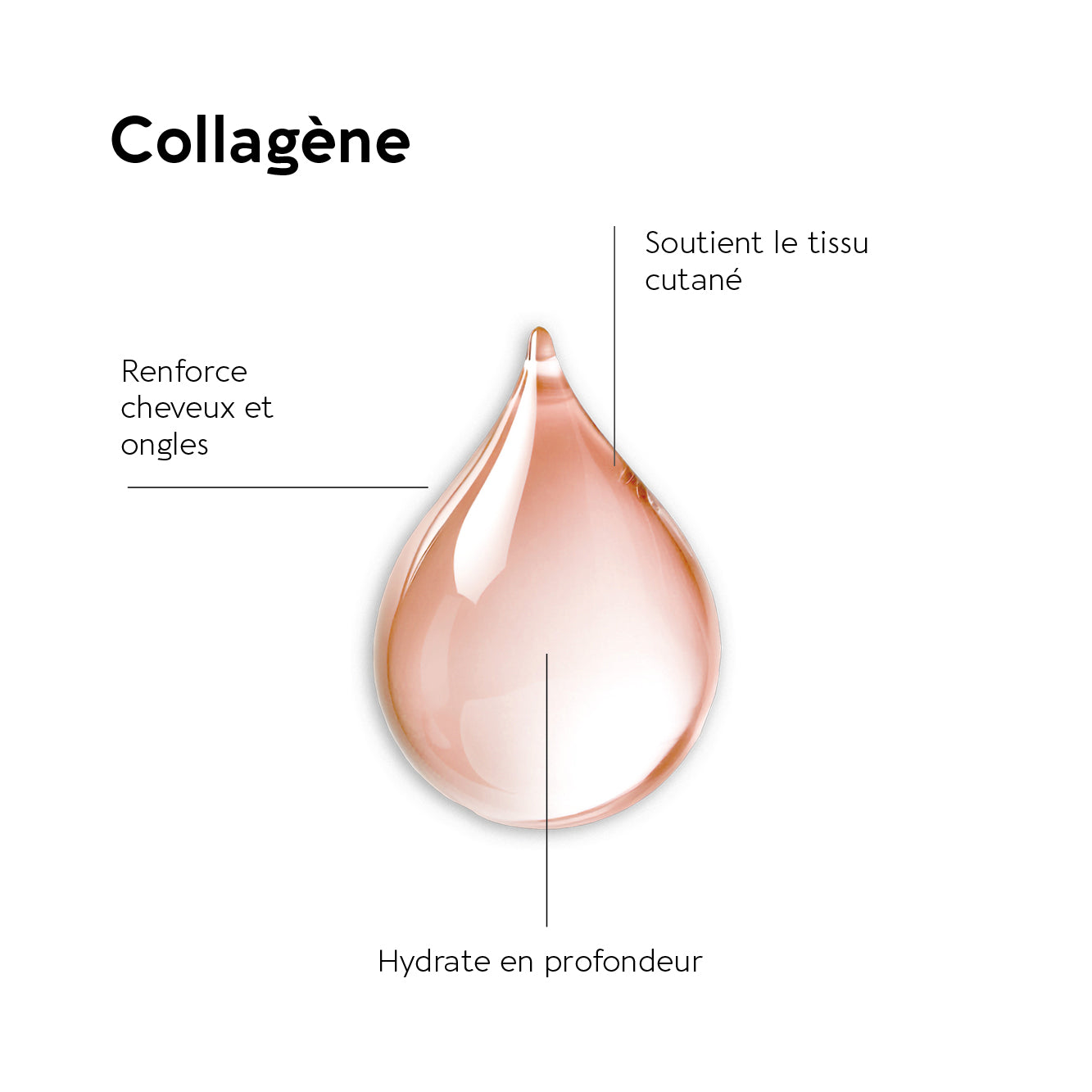
Among the best-documented ingredients for joint health, glucosamine and chondroitin occupy a central place. Glucosamine is a direct precursor of glycosaminoglycans, molecules that constitute the cartilage matrix, while chondroitin contributes to water retention in this tissue and its structural elasticity. Hydrolyzed type II collagen, in the form of low-molecular-weight peptides, stimulates the activity of chondrocytes, the cells responsible for cartilage renewal, with results documented in Current Medical Research and Opinion(Clark et al., 2008) after 24 weeks of supplementation.
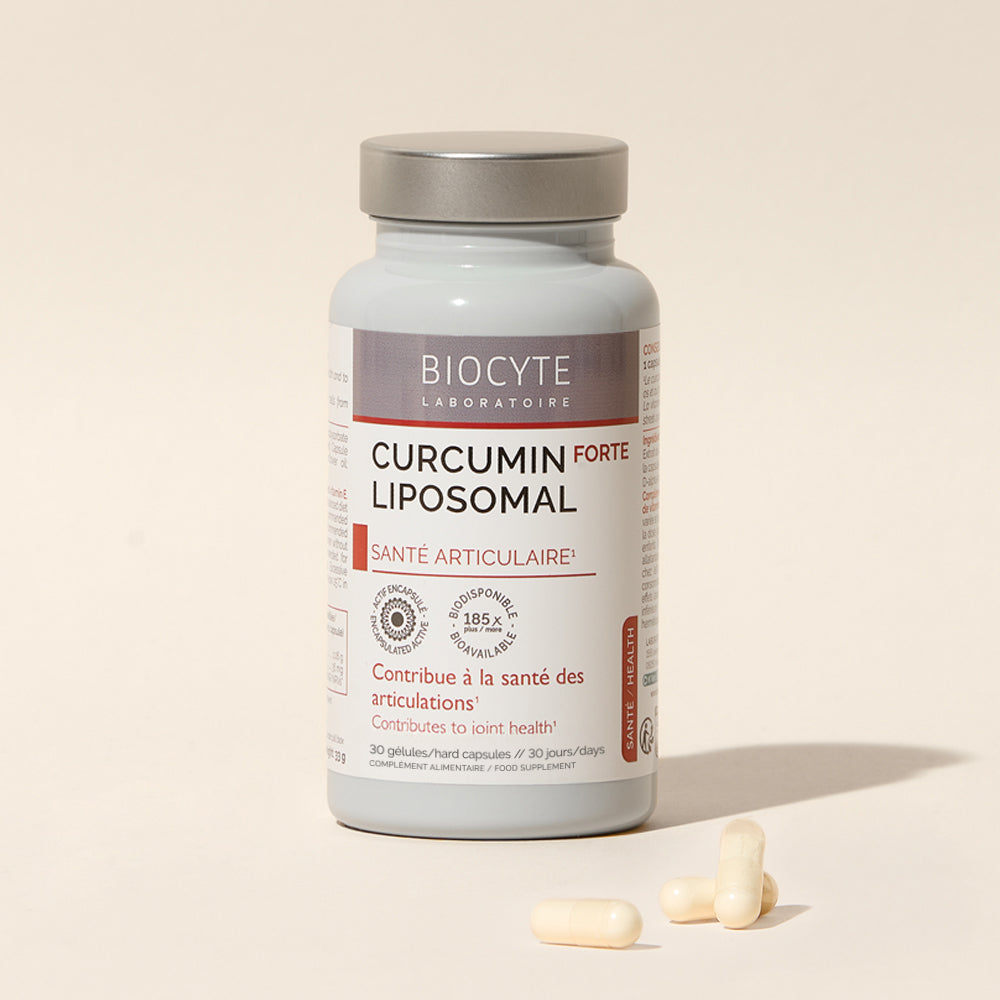
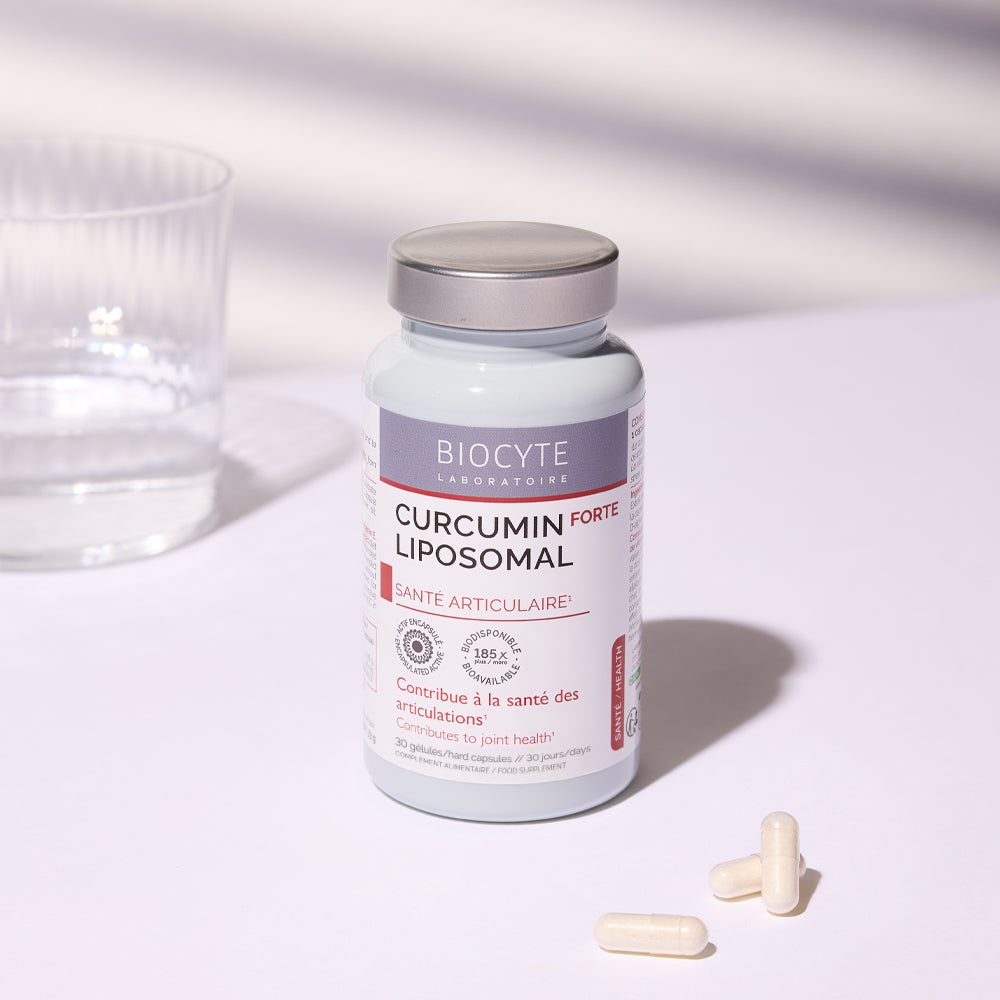
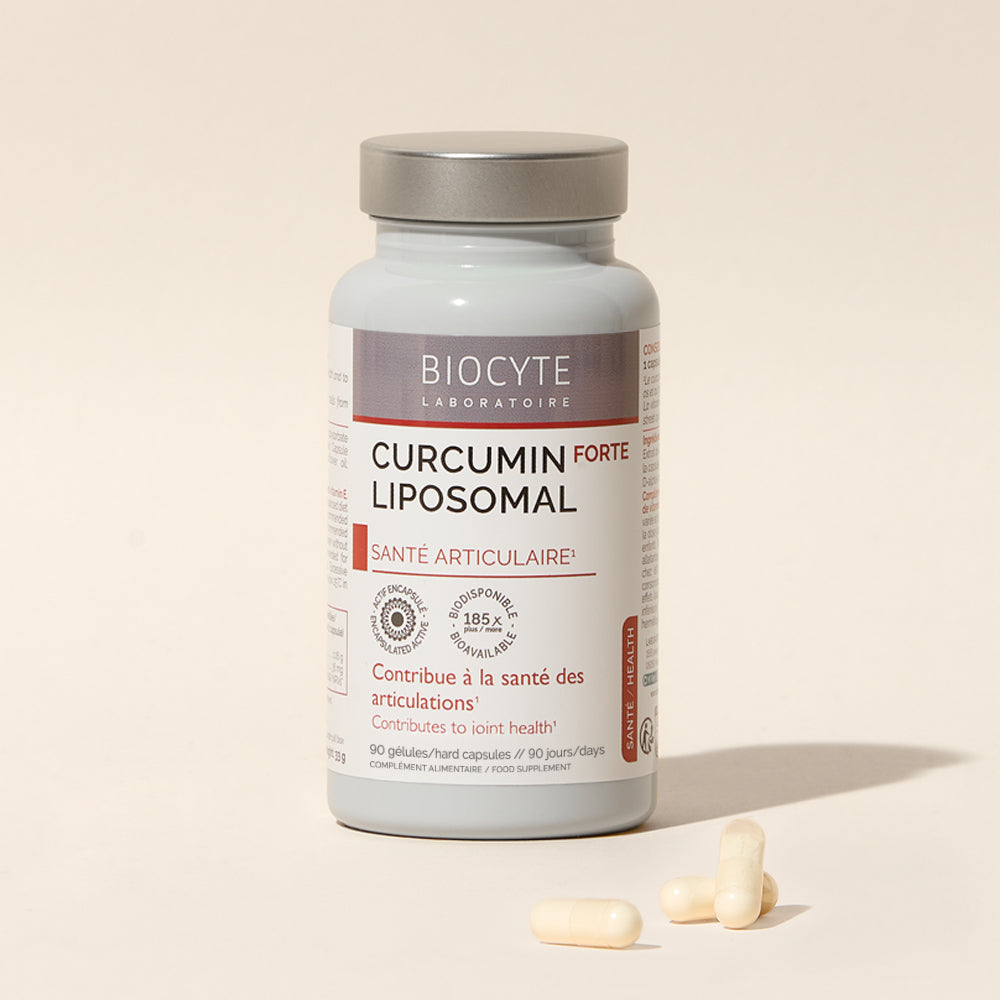
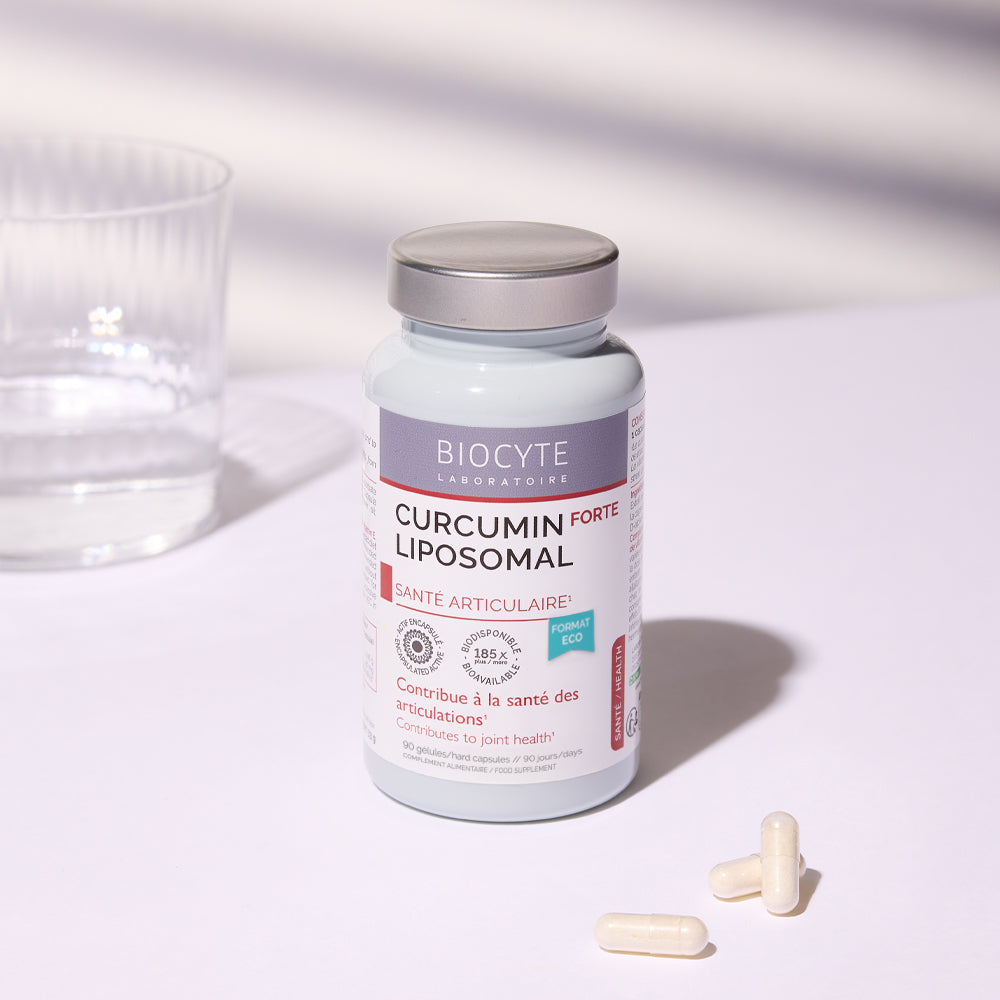
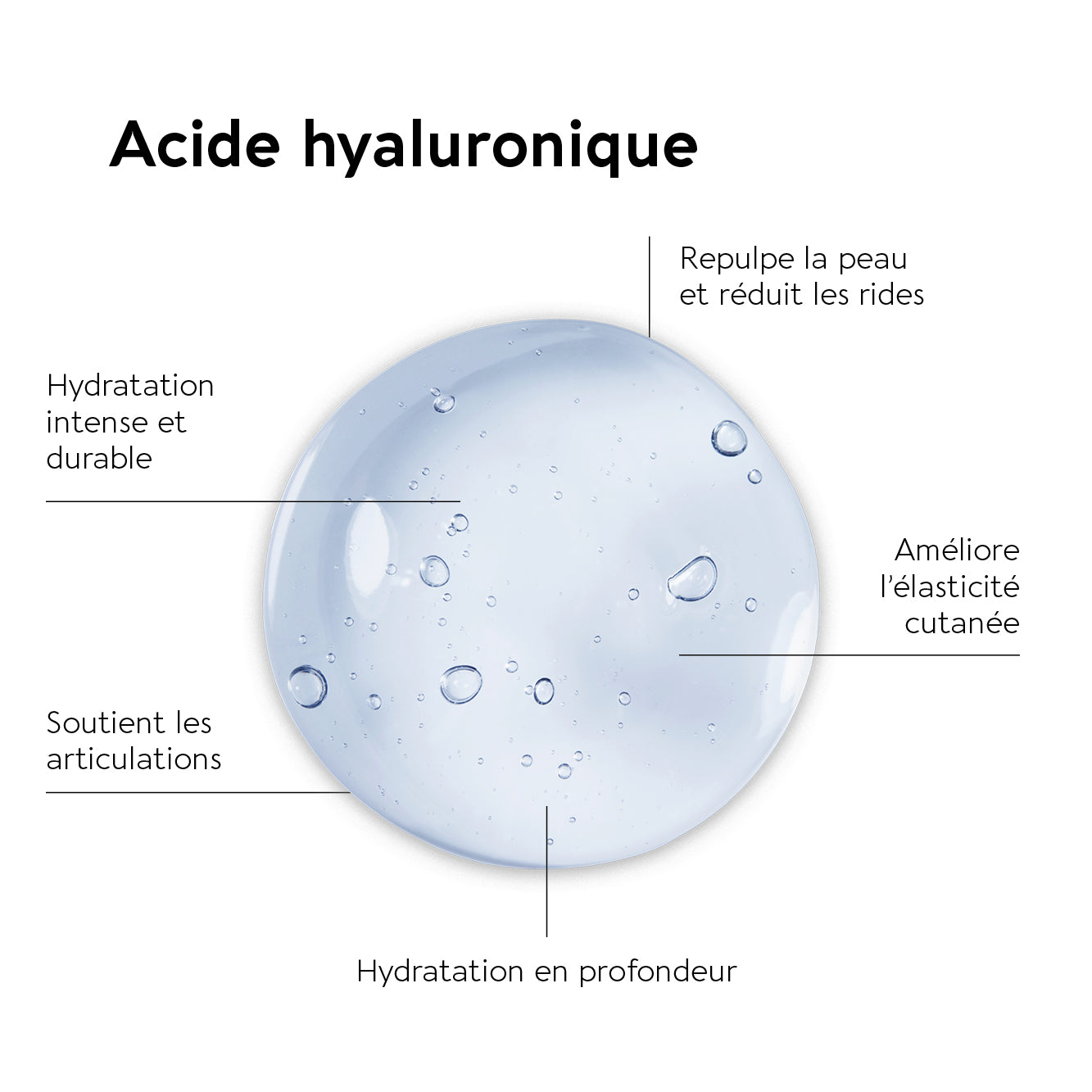
Oral hyaluronic acidcontributes to the viscosity of the synovial fluid that lubricates the joints, while MSM, an organic source of sulfur, supports the synthesis of structural cartilage proteins. A randomized controlled trial published in Osteoarthritis and Cartilage(Kim et al., 2006) highlighted an improvement in joint mobility after MSM supplementation. Turmeric and boswellia complement these active ingredients through their action on the joint environment, with biological mechanisms complementary to those of the cartilage substrates.
The different types of food supplements for osteoarthritis
Food supplements for osteoarthritiscome in several dosage forms: tablets, capsules, powders to dilute, and drinkable ampoules. Solid forms allow for precise dosages and good preservation of sensitive active ingredients like chondroitin or curcumin. Powders are particularly suitable for formulas based on hydrolyzed collagen, for which effective dosage volumes are larger.
It is also necessary to distinguish between single-active ingredient formulas, useful for personalizing a protocol, and combined formulations that associate several complementary ingredients in a dosage-to-convenience ratio that is often more favorable. Biocyte joint formulations are designed according to a logic of synergy of active ingredients, where each component is dosed in accordance with the data available in scientific literature.
Who are food supplements for osteoarthritis for?
Osteoarthritis food supplements are primarily aimed atpeople experiencing joint discomfort linked to cartilage wear, particularly from the age of 45, the period when endogenous synthesis of glucosamine and collagendecreases measurably. Physically active people, exposed to repeated mechanical stresses on the joints, also constitute a relevant profile in a preventive as well as corrective logic.
Morning joint stiffness, discomfort after exercise, or the progressive reduction in range of motion are signals that may justify a targeted nutritional approach. Guidance from a healthcare professional remains recommended in order to adapt the formulation to the individual joint profile of each person.
How to take a food supplement for osteoarthritis?
Theconsistency of intake determines the effectivenessof an osteoarthritis food supplement. Joint active ingredients act on slow biological mechanisms and the majority of reference clinical trials observe significant results after 8 to 12 weeks of continuous supplementation. Daily intake, at a fixed time, promotes long-term adherence and maintains stable plasma concentrations of active ingredients.
Conditions of intake vary according to the ingredients: glucosamine and chondroitin are better tolerated when taken with a meal, while curcumin benefits from optimized absorption in the presence of dietary lipids. Respecting recommended dosages is essential because neither chronic underdosing nor overdosing offers any proven benefit to joint health.
FAQ – Osteoarthritis food supplement
What is the best food supplement for osteoarthritis?
There is no universal formula:the choice depends on the joint profile, the duration of the discomfort, and the active ingredients already being consumed. Formulations combining hydrolyzed collagen, glucosamine, chondroitin, and hyaluronic acid present the most complete profile for supporting joint health, provided that the dosages are consistent with the levels used in reference clinical studies.
Which ingredients are the most used in food supplements for osteoarthritis?
The most frequently included active ingredients are glucosamine, chondroitin, type II collagen, hyaluronic acid, MSM, turmeric, and boswellia. These ingredients act at different levels of joint physiology and are often associated based on functional complementarity, from cartilage to synovial fluid to structural support proteins.
How long does a food supplement for osteoarthritis take to act?
The first noticeable effects generally appearafter 4 to 6 weeks of regular intake, with clearer resultsbetween 8 and 12 weeks. This kinetics is explained by the nature of the targeted mechanisms: cartilage tissue renewal is a slow biological process that requires sustained supplementation to produce a measurable effect on joint pain and joint mobility.
Can you take a food supplement for osteoarthritis every day?
Yes, daily intake is not only possible but necessary to maintain stable plasma concentrations. Clinical protocols that have demonstrated efficacy on joint pain and joint mobility are all based on continuous, uninterrupted supplementation over a minimum period of 8 to 12 weeks.
Do food supplements for osteoarthritis have contraindications?
Glucosamine, often derived from crustaceans, is not recommended in case of shellfish allergy. Chondroitin can interact with vitamin K antagonist oral anticoagulants, and high-dose turmeric is not recommended in case of gallstones or anticoagulant treatment. A prior medical consultation remains essential for anyone undergoing chronic treatment.
What is the difference between osteoarthritis and joint pain?
Osteoarthritis is a specific cause of joint pain, characterized by the progressive degradation of cartilage and structural changes in bone surfaces. Joint pain, for its part, is a symptom that canresult from numerous other causes: inflammation, trauma, autoimmune pathologies, or occasional mechanical overload. A medical diagnosis makes it possible to distinguish these origins and point toward the most suitable joint food supplement.
Can you combine several food supplements for osteoarthritis?
Combining several food supplements for osteoarthritis is possible andoften relevant when the active ingredients target complementary mechanisms, for example, collagen and turmeric or glucosamine and hyaluronic acid. However, it is advisable to check for the absence of duplicates between the chosen formulations and to remain within the recommended daily dosages for each ingredient.
Do food supplements for osteoarthritis replace medical treatment?
No. Osteoarthritis food supplements provide nutritional support for overall management and in no way replace prescribed medical treatment. They can help support joint health and improve daily functional comfort, but their use must be discussed with a healthcare professional, particularly in the presence of a diagnosed pathology or ongoing treatment.


 Skin
 Hair & Nails
 Sun Care
 Slimming
 Health
 K-Biocyte
 Clinical