
 Skin
 Hair & Nails
 Sun Care
 Slimming
 Health
 K-Biocyte
 Clinical


Alcohol-free grog: recipe, benefits, and history of the drink
The non-alcoholic grog is now winning over everyone looking for a comforting, natural hot winter drink suitable for daily consumption. This modern version is inspired by the traditional grog, but distinguishes itself by the absence of alcohol, allowing for broader consumption, especially during periods of fatigue or colds. From the very first sips, this beverage warms, soothes, and complements winter wellness routines.
To enhance your comfort during the cold season, it is also possible to adopt additional habits such as food supplements for immunity, accessible via the Biocyte health universe.
What is a non-alcoholic grog?
Grog is an ancient drink, associated with winter traditions and natural remedies passed down from generation to generation. The current non-alcoholic version retains the original spirit of grog, but focuses on its natural components: hot water, honey, lemon, and spices.
Origin of traditional grog
Grog dates back to 1740, aboard Royal Navy ships. Sailors used to drink pure rum, which caused problems with discipline and health. Admiral Edward Vernon mandated a mixture of rum and water to reduce excess. His nickname, "Old Grog," inspired the name of this new drink.
Over time, grog became a true winter ritual. Lemon, rich in vitamin C, and honey, appreciated for its round and sweet taste, were subsequently added to enhance the comforting properties of the drink.
Why prepare a non-alcoholic grog?
Rum-free grog meets contemporary expectations: enjoying a soothing hot drink while avoiding alcohol. This version is suitable for everyone, including children, people on medication, or those who wish to prioritize a healthy wellness routine. The recipe keeps what makes a homemade grog charming: warmth, sweetness, and naturalness.
Differences between classic grog and non-alcoholic grog
| Element |
Traditional Grog | Non-alcoholic Grog |
| Liquid base | Hot water + rum | Hot water only |
| Effect felt | Sensation of warmth + effect related to alcohol | Gentle and comforting warmth |
| Adaptation | Reserved for adults | Suitable for everyone |
| Use | Winter tradition | Wellness ritual, evening drink |
Non-alcoholic grog can thus be enjoyed daily as a comforting hot winter drink.
The benefits of non-alcoholic grog
Contrary to a widespread belief, grog was never intended to be a treatment. However, its natural composition gives it a comforting role appreciated during the cold season.
Relieving sore throats and colds naturally
Hot water helps to release tension and promotes a sensation of comfort. Honey soothes the throat, while lemon provides freshness and vitality. This alliance contributes to creating a natural grog ideal for soothing winter discomforts. It is also useful to adopt a global routine including rest, hydration, and possibly practices derived from natural anti-stress methods to support emotional balance during winter.
The virtues of lemon, honey, and spices
- Lemon brings a tangy note and contains recognized antioxidants
- Honey helps to soothe the throat
- Spices, such as ginger, cinnamon, or cloves, provide aromatic warmth
This combination makes honey-lemon grog a must-have for cold periods.
A healthy and comforting winter alternative
Alcohol-free and rich in natural ingredients, grog becomes a wellness habit that is easy to integrate into your daily routine. It accompanies cozy evenings and can complement a comprehensive approach aimed at detoxifying your body by adopting a gentler lifestyle.
Easy non-alcoholic grog recipe
Preparing a grog with a homemade recipe is simple and accessible.
Essential ingredients
- 250 ml of hot water
- 1 teaspoon of honey
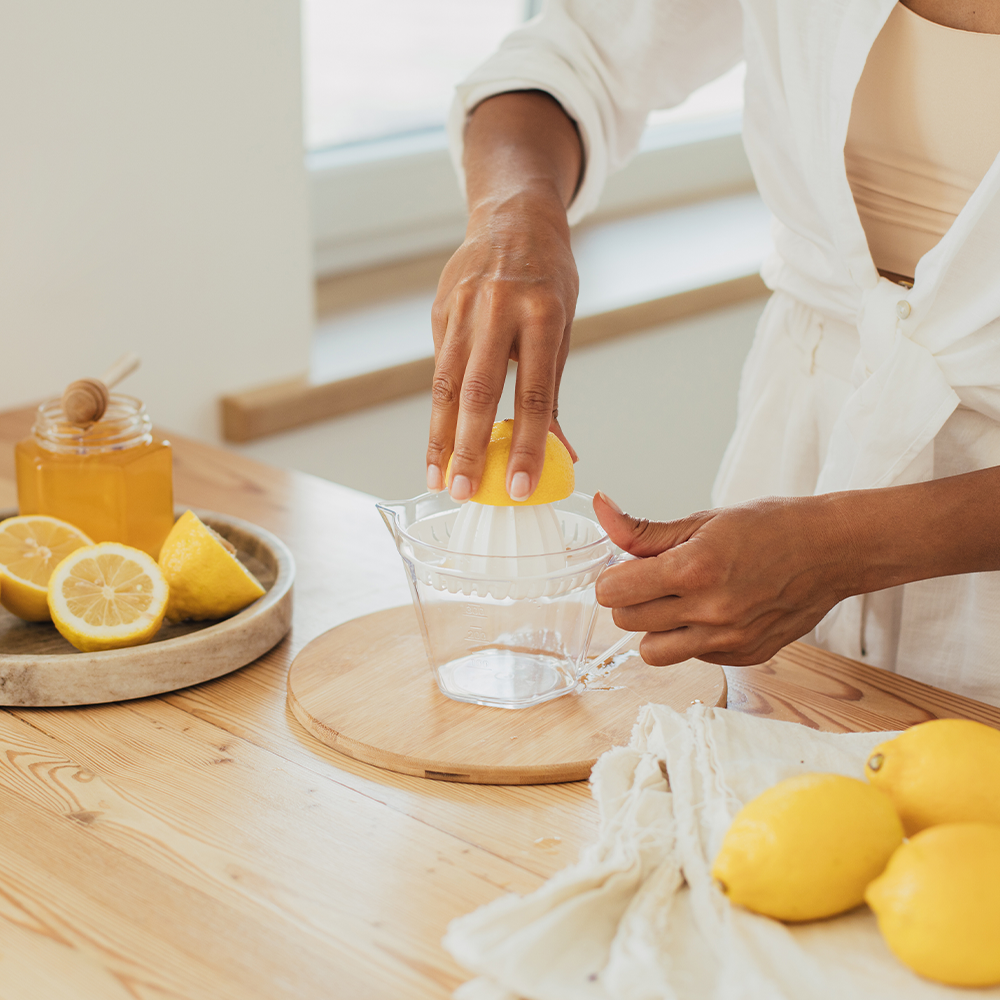
- The juice of half a lemon
- A thin slice of fresh ginger (optional)
- A pinch of cinnamon or clove
Preparation steps
- Heat the water without bringing it to a boil
- Add the lemon juice, then the honey
- Add the spices according to preference
- Let infuse for a few minutes before enjoying
This homemade grog is easily personalized with tips to enhance its effects.
Tips to enhance effects (spices, plants, infusions)
For a grog that is even more aromatic:
- add an infusion of thyme or eucalyptus
- incorporate ginger to create a more invigorating ginger grog
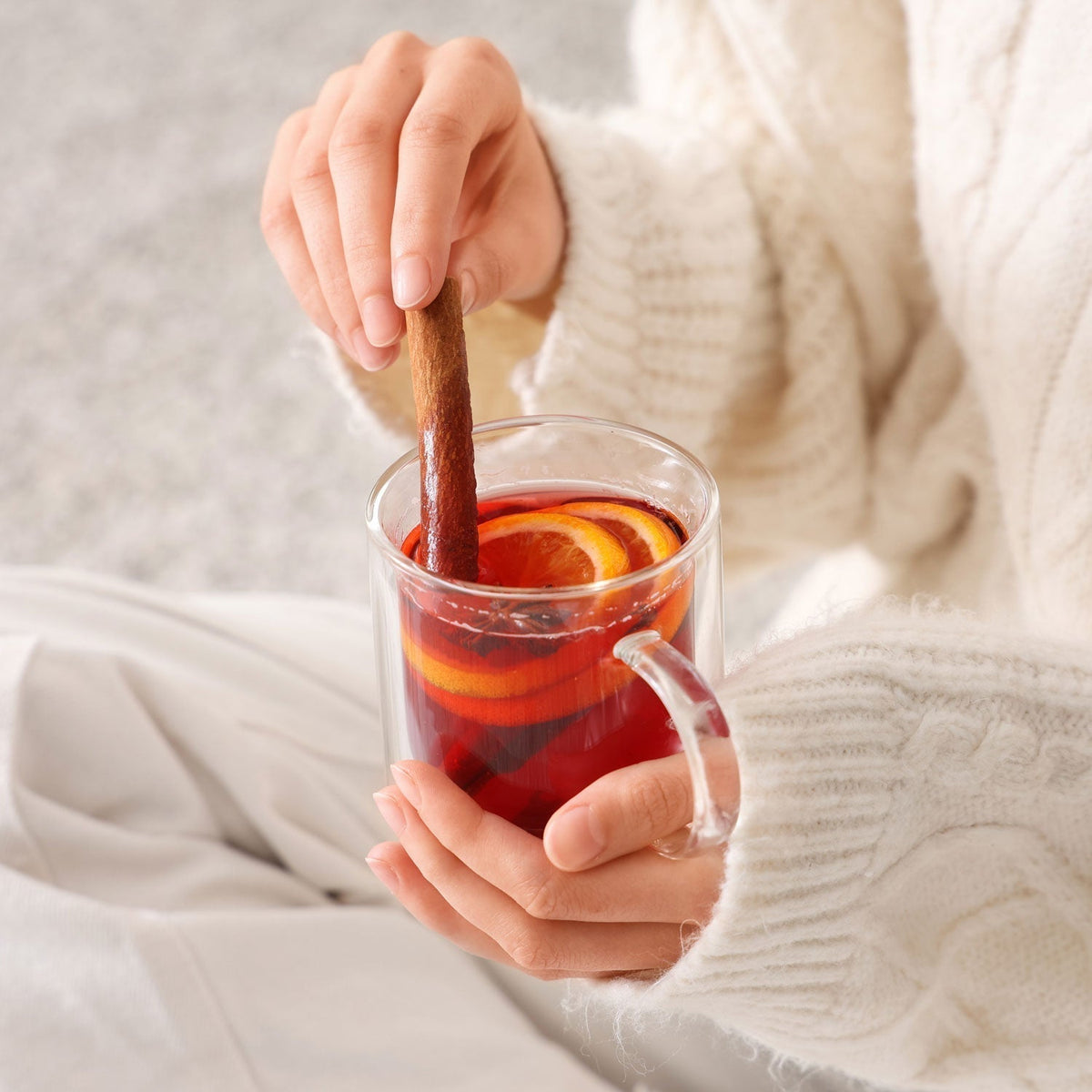
- add a cinnamon stick for a warm version
These variants combine perfectly into a holistic wellness approach.
Non-alcoholic grog variations
The richness of grog lies in its ability to adapt to everyone's tastes and needs.
Non-alcoholic ginger grog
Ginger adds a lively and warm note. It is valued in traditional natural cold remedies for its unique taste.
Herbal non-alcoholic grog (thyme, eucalyptus, chamomile)
These aromatic plants offer a comforting scent. Their infusion creates a delicate grog, suitable for winter evenings.
Gourmet version: honey-cinnamon grog
This version combines sweetness and spicy flavor. An ideal drink to accompany a moment of relaxation.
Non-alcoholic grog for children: adapted preparation
For children, reduce the acidity of the lemon and limit the spices. Honey remains the star ingredient, both for its taste and its sweetness.
The richness of grog lies in its ability to adapt to everyone's tastes and needs.
When to drink a non-alcoholic grog?
In case of cold, fatigue, or chills
Grog proves pleasant during days when the body seems to be running slowly. It complements wellness habits and supports seasonal routines.
In the evening to promote relaxation and sleep
A hot drink naturally promotes relaxation at the end of the day. A grog can thus become a soothing ritual, especially for those sensitive to seasonal changes.
As winter prevention
A grog can be consumed as a complement to an overall healthy lifestyle: hydration, a varied diet, rest, and support through all health food supplements.
FAQ – Everything you need to know about non-alcoholic grog
Is non-alcoholic grog effective against colds?
It provides a feeling of comfort thanks to its warm, aromatic blend. It supports a winter wellness routine, without replacing professional medical advice if needed.
Can I drink it every day?
Its natural composition allows for regular consumption as part of a balanced lifestyle.
How does it differ from a regular herbal tea?
The addition of honey, lemon, and spices creates a drink richer in flavor, often perceived as more comforting than a simple herbal infusion.
Can non-alcoholic grog be given to children?
Yes, provided it is adapted: less lemon, fewer spices, and a moderate temperature.
Sources
- European Food Safety Authority (EFSA) – Aromatic compounds and food safety
- National Library of Medicine – Studies on honey and its soothing properties
- Journal of Agricultural and Food Chemistry – Antioxidant properties of lemon
- Phytotherapy Research – Analysis of traditional spices such as ginger and cinnamon
- French Nutrition Federation – Advice on hot drinks during the winter season