 Skin
 Hair & Nails
 Sun Care
 Slimming
 Health
 K-Biocyte
 Clinical


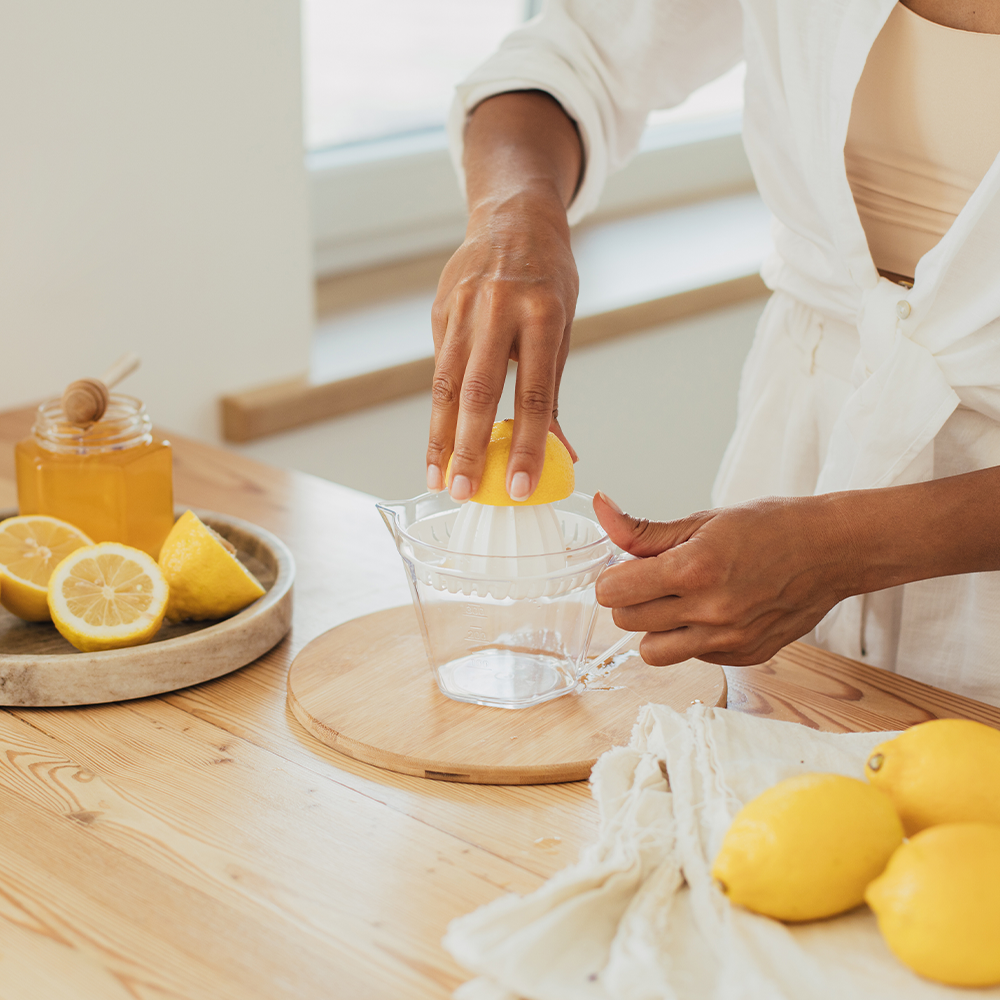
Vitamin C and Iron: Why Combine Them?

Key takeaways
Vitamin C does not provide iron: it optimizes its intestinal absorption, especially that of non-heme iron of plant origin.
The effect is real but dose-dependent and contextual: it is expressed mainly within a full meal, not in isolation.
Tea, coffee and calcium taken at the same meal reduce iron absorption; spacing them by 1 to 2 hours limits this effect.
Persistent fatigue, shortness of breath on exertion or brittle nails are not diagnosed alone: they justify a ferritin check before any supplementation.
The combination of iron + vitamin C in a supplement has a practical interest of tolerance and synergy, but never dispenses with professional advice in case of a confirmed deficiency.
Iron is one of the most frequently mentioned minerals in nutrition, and yet one of the most poorly absorbed: an ordinary diet provides 10 to 15 mg of iron per day, but only 5 to 10% are actually assimilated. This gap explains why iron deficiency remains one of the most frequent deficiencies in France, especially among women of childbearing age, and impacts health if the problem is not addressed.
Given this finding, the combination of vitamin C and iron is almost systematically recommended: understanding why vitamin C holds a special place in this equation allows you to better structure your meals, without falling into the automaticity of taking a supplement blindly.
SUMMARY
Vitamin C and iron: what is the link?
Before combining the two nutrients on the plate, it is still necessary to understand what each brings separately and why their interaction does not concern all dietary iron in the same way.
Role of iron: oxygen transport, energy, fatigue
Iron is part of the composition of hemoglobin, the protein in red blood cells that transports oxygen from the lungs to all tissues. It is also involved in muscular myoglobin and in several enzymes of energy metabolism. Insufficient intake first results in a drop in tissue oxygenation, which explains why fatigue, paleness or shortness of breath on exertion are among the first warning signs mentioned in clinical practice.
Role of vitamin C: iron absorption and use
Vitamin C (ascorbic acid) does not provide iron; it acts upstream, at the time of its passage through the intestinal wall. This role was formally recognized by the European Food Safety Authority (EFSA), which validated the claim that vitamin C contributes to iron absorption; one of the claims of this type authorized under the European regulation on nutrition claims.
Heme vs non-heme iron: why vitamin C matters especially for certain intakes
Dietary iron exists in two forms:
- Heme iron, present in meats and fish, is absorbed at a rate of 20 to 25%: vitamin C has almost no effect on this form, already well assimilated;
- Non-heme iron, coming from legumes, whole grains, green vegetables and eggs, presents a much lower and variable absorption, around 2 to 20%; it is precisely on this form that vitamin C exerts its facilitating effect, which makes it a particular point of attention for vegetarian or vegan profiles.
How vitamin C improves iron absorption
The mechanism is known, but its real efficiency depends on precise conditions; the time of intake and the composition of the meal count as much as the presence of vitamin C itself.
Mechanism: transformation and assimilation
Non-heme iron is presented in ferric form (Fe³⁺), poorly soluble and difficult to capture by intestinal transporters. Vitamin C acts through two complementary mechanisms: it chemically reduces ferric iron to ferrous iron (Fe²⁺), a soluble form recognized by the intestinal transporter DMT1, and it forms with it a chelated complex that protects it from precipitation in the alkaline environment of the small intestine. The founding work of Hallberg, Brune and Rossander, conducted at the University of Gothenburg, established a dose-dependent relationship between the quantity of vitamin C provided to a meal and the increase in non-heme iron absorption, with an effect already measurable from 25 mg.
It must nevertheless be nuanced: a later study by Cook and Reddy, published in the American Journal of Clinical Nutrition, showed that this effect, spectacular on simplified experimental meals, clearly attenuates when measured on full and varied meals consumed daily. The interest remains real, but it is part of a global dietary logic rather than a miracle association meal by meal.
When to combine vitamin C and iron
The effect of vitamin C on iron is expressed during the same meal, not in deferred. Taking a fruit rich in vitamin C at breakfast and a source of iron in the evening brings no absorption benefit: the window of action is limited to the simultaneous digestion of the two nutrients.
Examples of effective food combinations
Some simple guidelines transposable to daily life: lentils accompanied by raw pepper or tomatoes; spinach associated with lemon juice as a seasoning; whole grain breakfast cereals accompanied by a kiwi or an orange. It is not about calculating dosages, but about systematizing the reflex of associating a plant source of iron with a food rich in vitamin C.
Iron deficiency: when to think about vitamin C?
Vitamin C never substitutes for a diagnosis: before considering its facilitating role, it is still necessary to know how to recognize the signs suggestive of a deficiency and confirm it by a biological check.
Frequent symptoms and risk profiles
Unusual fatigue, paleness, palpitations on exertion, headaches or diffuse hair loss can suggest an iron deficiency, without allowing them alone to confirm the diagnosis. Some profiles present increased needs: women having heavy periods, pregnant women, endurance athletes and people following a strict vegetarian or vegan diet. In France, nutritional monitoring data place iron deficiency among the most frequent deficiencies in women of childbearing age.
What checks to do
Only a biological check allows to confirm an iron deficiency: measurement of ferritin (reflection of reserves), hemoglobin and, if necessary, transferrin. Ferritin remains the most sensitive indicator to detect an exhaustion of reserves even before the appearance of established anemia.
When to consult
Persistent fatigue despite sufficient sleep, unusual shortness of breath on exertion or palpitations at rest justify a medical consultation and a blood test, before any supplementation approach. Self-supplementation in iron without a confirmed diagnosis is not recommended.
Diet: the best "vitamin C and iron" combinations
Beyond the mechanism, the practical question remains the same: what foods to combine, and in what proportions, so that this synergy really translates on the plate.
Foods rich in iron
Here is a non-exhaustive list of foods rich in iron:
- Heme iron: red meat, offal, fish, seafood
- Non-heme iron: lentils, chickpeas, tofu, spinach, quinoa, eggs
Foods rich in vitamin C
Here is a non-exhaustive list of foods rich in vitamin C: citrus fruits, kiwi, raw pepper, broccoli, parsley, strawberries, raw red cabbage.
Sample menus
Lunch with lentils, bell pepper and a lemon dressing; dinner with sautéed tofu and broccoli; breakfast with whole grains and red berries. These combinations illustrate the principle without requiring precise calculations at every meal.
What blocks iron absorption, even with vitamin C
Vitamin C's enhancing effect is not automatic: certain foods and drinks, consumed at the same time, can neutralize much of this benefit.
Tea and coffee
The tannins in tea and coffee form insoluble complexes with non-heme iron, reducing its absorption when consumed at mealtimes. Spacing them out by one to two hours before or after the meal limits this inhibitory effect.
Calcium and dairy products
Calcium competes with iron for the same intestinal transporters. Taking a dairy product outside the main iron-rich meal can limit this interaction without sacrificing calcium intake.
Fiber, phytates, certain grains
Phytates in whole grains and legumes also reduce non-heme iron absorption. Soaking, fermenting, or germinating these foods before cooking reduces their phytate content and improves the bioavailability of the iron they contain.
Supplements: how to take iron and vitamin C properly
When diet alone is not enough to correct a confirmed deficiency, supplementation raises other questions: which form of iron to choose, at what dose, and according to what rules.
Iron forms and tolerance
Classic iron salts (sulfate, fumarate) are effective but are often associated with frequent digestive issues (constipation, nausea). Iron bisglycinate, a chelated form, is generally better tolerated digestively at an equivalent dose. Liposomal iron, encapsulated in a lipid membrane, limits the direct contact of iron with the digestive mucosa, which could contribute to better tolerance; however, clinical data remain more limited than for classic forms.
Dosage and side effects
The dosage of an iron supplement is determined with a healthcare professional, based on the level of deficiency objectively shown by blood tests. In case of digestive intolerance, splitting the dose or changing the dosage form can provide relief, without replacing the prescriber's advice.
Vitamin C: dosage and forms
Synthetic ascorbic acid and acerola are two common forms of vitamin C in supplements. The reference intake for an adult is around 110 mg per day, with a safety limit set at 1,000 mg per day, beyond which digestive issues may appear.
Precautions: avoid overdosing and common mistakes
Combining iron and vitamin C has its limits: poorly dosed or poorly managed, this supplementation can expose you to risks that are better known before committing.
Do not supplement blindly
Iron is a mineral that the body does not easily eliminate in excess. Taking a supplement without a confirmed deficiency exposes you to a risk of overload, with consequences that are not insignificant in the long term. This is precisely why a prior biological assessment is not an optional step.
Possible drug interactions
Iron can reduce the absorption of certain medications (notably certain thyroid treatments or antibiotics) when taken at the same time. Spacing them out by several hours is generally recommended, to be confirmed with a pharmacist or doctor.
Special cases
In case of pregnancy or breastfeeding, it is important to ask a healthcare professional for advice before any supplementation. The same applies to people with digestive or renal history, in whom iron and vitamin C intakes must be adjusted on a case-by-case basis.

FAQ on vitamin C and iron
Should vitamin C always be taken with iron?
No. The benefit is real for plant-based non-heme iron, but the effect is significantly reduced in a complete and varied meal compared to isolated experimental conditions.
When to take iron and vitamin C: morning or evening?
Timing matters less than simultaneity: both must be present in the same meal for the enhancing effect to occur.
How long to space tea/coffee and iron?
Spacing them out by one to two hours before or after the meal limits the inhibitory effect of tannins on iron absorption.
What dose of vitamin C is needed to improve iron absorption?
A measurable effect appears from 25 mg of vitamin C per meal. Reference studies consider that around 50 mg per main meal is desirable for an optimal effect in usual conditions, notably to counteract inhibitors such as phytates or tannins. The effect continues to increase with the dose in experimental conditions, but is significantly reduced in a complete diet.
How long does it take for ferritin to rise with an adapted routine?
The kinetics of reserve replenishment varies according to the initial level of deficiency and the underlying cause; only regular biological monitoring with a healthcare professional allows it to be assessed.
Sources
- EFSA NDA Panel, Scientific Opinion on health claims related to vitamin C… and non-haem iron absorption, EFSA Journal, 2009;7(9):1226.
- Hallberg L., Brune M., Rossander L., Effect of ascorbic acid on iron absorption from different types of meals, Human Nutrition: Applied Nutrition, 1986;40(2):97-113.
- Cook J.D., Reddy M.B., Effect of ascorbic acid intake on nonheme-iron absorption from a complete diet, American Journal of Clinical Nutrition, 2001;73(1):93-98.
- Conrad M.E., Schade S.G., Interaction of vitamin C and iron, Annals of the New York Academy of Sciences, 1980;355:32-44.
- ANSES, Les références nutritionnelles en vitamines et minéraux, 2025.
- Ameli.fr, Bien couvrir ses besoins en fer et consulter en cas de saignement, Assurance Maladie.
- Cook J.D., Monsen E.R., Vitamin C, the common cold, and iron absorption, American Journal of Clinical Nutrition, 1977;30(2):235-241.

Biocyte Writer: Lise Pujol, Doctor of Pharmacy
Lise Pujol specialized in micronutrition during her early years in community pharmacy, before pursuing the DIU in Micronutrition, Nutrition, Prevention, Health by Professor Castronovo. Today she puts this expertise at the service of Biocyte, where she contributes to the development of formulas and scientific popularization among field teams.