

 Skin
Skin Hair & Nails
 Sun Care
 Slimming
 Health

compléments alimentaires
What are the main functions of magnesium in the body?
Magnesium: What is it for and how to get it?
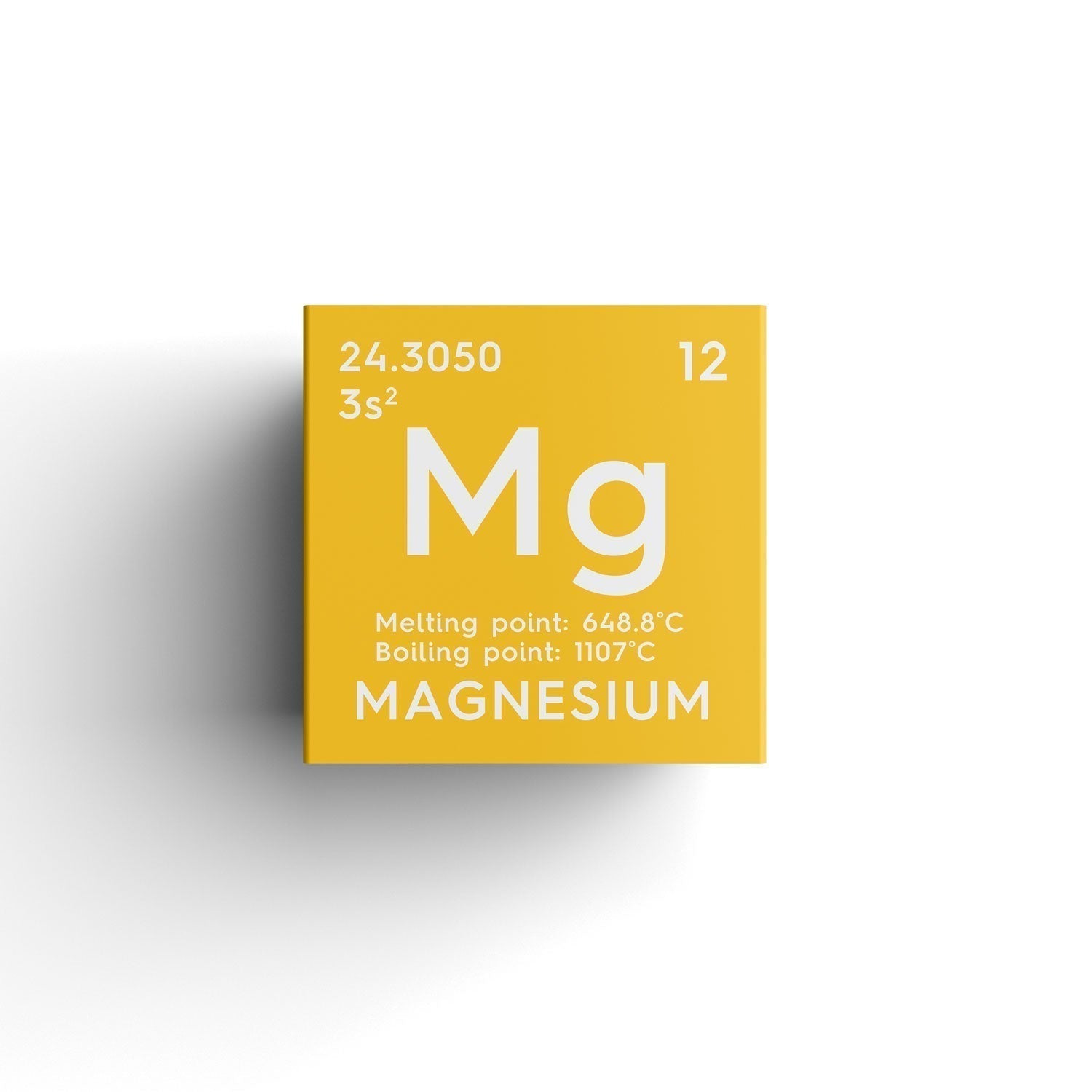
Known as a natural stress reliever, magnesium is a mineral essential for the body's proper functioning. But what exactly is its role in the body? Which foods contain it, and what are the health risks of a magnesium deficiency? Here are some answers.
Magnesium: what are its roles and benefits?
Magnesium plays many roles within the body. It is involved in over 300 intracellular enzymatic reactions and several fundamental cellular functions. It contributes to protein synthesis and lipid metabolism. It participates in the breakdown of glucose, thus releasing energy. It is involved in the synthesis of nucleic acids and in the activity of certain hormones such as insulin. It also plays a major role in nerve transmission, muscle contraction, and the protection of cell membranes.
Magnesium also helps make bones, hair, and nails stronger. Furthermore, as reported by the specialist website Doctissimo , recent studies suggest the importance of magnesium intake for the prevention of cardiovascular disease and type 2 diabetes.
Magnesium: which foods contain it?
According to the SUVIMAX study – antioxidant vitamin and mineral supplementation –, the recommended dietary intake (RDI) of magnesium for both adults and children is 6 mg/kg/day. Ideally, a 20 kg child should ensure they take 120 mg of magnesium per day. For a 60 kg woman, this intake will be 360 mg per day, while for a 70 kg man, it will be 420 mg per day. However, these intakes must be increased in certain cases. For example, a teenager should take 25 mg of magnesium per day more than the RDI. For a pregnant woman and a breastfeeding woman, an increase of 40 mg and 30 mg per day, respectively.
To meet your daily magnesium needs , certain foods should be particularly favored. This is particularly the case:
Cocoa and chocolate: 30g of dark chocolate provides 35mg of magnesium.
Dried fruits and oilseeds: 30 g of Brazil nuts, for example, provide 110 mg of magnesium.
Seafood, especially molluscs: 6 oysters for example provide 80 mg of magnesium.
Vegetables: 100g of fresh spinach provides 69mg of magnesium while 10g of dried lentils provides 35mg of magnesium.
Whole grain foods: 60g of wholemeal bread, for example, provides an average of 65mg of magnesium.
Microalgae: 100 mg of spirulina, for example, provides 400 mg of magnesium.
Magnesium mineral waters.
Other foods such as meat, fish, and dairy products also provide magnesium, but in small amounts. Fortified cereals, brewer's yeast, and wheat germ can also supplement your intake.
Magnesium deficiency: what are the risks and how to remedy them?
Most magnesium deficiencies are mild. While the consequences may not pose any real health risks, they are nonetheless unpleasant. Generally speaking, a magnesium deficiency can result in signs of latent tetany, namely severe fatigue and muscle problems such as cramps and tingling. This can be accompanied by severe irritability, sleep disturbances (insomnia), digestive problems such as bloating, stomach aches or diarrhea, stress and anxiety, and discomfort, including nausea and dizziness. Brittle nails and hair can also be signs of insufficient magnesium intake.
In rare cases, severe magnesium deficiency can lead to hypocalcemia, or a lack of calcium in the blood. More severe cases can lead to seizures, high blood pressure, osteoporosis, panic attacks, rapid heartbeat, and difficulty breathing deeply.
A suitable diet can help meet magnesium needs . However, supplementation can be of great help in this regard, especially in emergencies. People who are stressed and/or have trouble falling asleep can, for example, take Biocyte Noctrim forte® capsules. These capsules help restore quality sleep thanks to poppy. The Biocyte brand also offers Liposomal Magnesium capsules, which reduce fatigue thanks to magnesium and contribute to normal intellectual performance thanks to vitamin B5. And to regain normal, healthy nails, there is nothing like the high keratin content of Biocyte Strong Nails capsules. All these food supplements have been formulated with magnesium.